
Self-ligating Braces in or near The Crossings

Looking for Self-ligating Braces in The Crossings, FL? Dr. Carmen Briceño-Crespi of Lakes Ortho is a leading provider of metal and clear aligners in the The Crossings area. When you are ready to stop being conscious about her smile contact us today! Orthodontic Braces is a thing that a lot of people get to aid with adjusting their teeth. Braces are capable of doing much more than boost your smile, but you must take the time to take care of them correctly. There are a variety of tips that you must know about when cleaning your braces; like flossing and brushing.
You should gently sanitize your braces and your teeth to make sure that there is absolutely no plaque build-up. To accomplish this, you must brush and floss your braces and teeth properly. There are several steps that you should take when doing this. The initial one is prep your braces for brushing. To accomplish this, you should get rid of the bands around the braces as well as any other removable parts. These parts may become broken if you brush and definately will create issues.
You should wash your braces using your brush. You should hold the toothbrush at a 45-degree angle to be certain that you sanatize through the pins and wires. You need to brush every wire from top to bottom and take your time to ensure that you get rid of all the debris and plaque. It is recommended that you start with the braces on your upper teeth followed by the lower teeth. Once you have washed your braces, you will have to wash your teeth. Each tooth ought to be washed individually in a circular motion. You ought to be careful with the level of pressure you use when cleaning your teeth and brush the outside and inside surface of the teeth.
Once a day, you must floss your teeth. Your dentist should explain to you the easiest way to floss around the braces which you have. You should adhere to these directions and make use of the flossing product which is designed to be used with braces. After flossing, you must rinse your mouth with some water or mouthwash. You should then inspect your braces and teeth in the mirror to find spots that you might have missed. If you locate any, you will need to brush that area again to ensure that the braces are properly looked after.
Where to Get Self-ligating Braces in The Crossings, Florida?
Throughout the time that you may have your braces, you will have to regularly visit your dentist. This can help you take care of your braces and be sure that are set correctly. Routine changes will be done during the entire time you might have braces and you might experience a little tightness at these periods.
The visits may also give your orthodontist the opportunity to make sure that your braces are still in good condition. If you notice something odd in your braces, you must tell the orthodontist if you visit them. Troubles with your braces can often be fixed fairly easily if they are caught early and they may not lead to pain. There are a variety of tips you need to learn about when taking care of your braces. Cleaning your teeth and braces correctly is essential and you should make time to accomplish this the right way. You also have to be truthful with the orthodontist about any issues you have. If you would like more details about the The Crossings orthodontic treatment offered by Dr. Carmen Briceño Crespi of Lakes Orthodontics visit at our clear aligners blog!
Trending Article Related to Self-ligating Braces in The Crossings
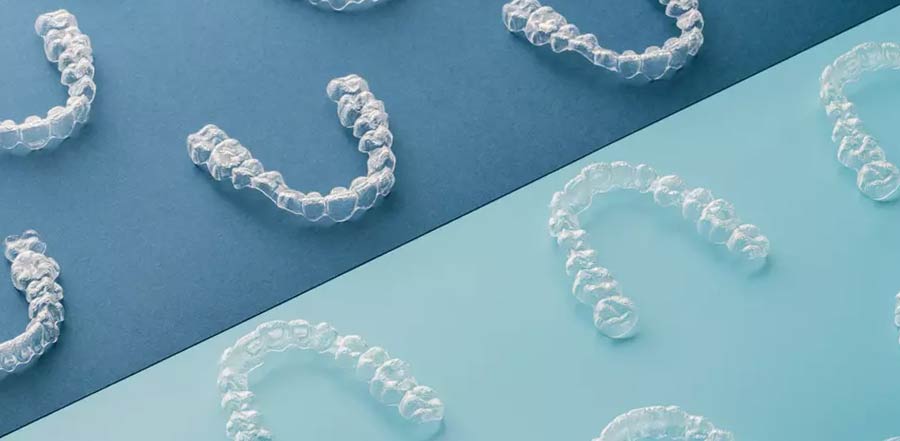
Benefits of Invisalign Over Braces
Invisalign utilizes the latest orthodontic technology to straighten teeth in a comfortable and invisible fashion. With Invisalign, you are [...]

What is the Best Age for an Orthodontic Checkup?
When you think of the most common age for wearing braces, you probably picture the pre-teen and teen years. [...]

8-Year Old Sings Songs of Joy with Her New Smile
Early orthodontic treatment is critical for some children so they can grow up with a healthy smile. If a [...]
What Types Of Food Can I Eat With Braces?

Softer foods are the best choice of foods to eat when you first get braces or Invisalign because your teeth will be sore from the initial pressure and movement caused by the treatment. I have a list below of the top ten things to eat when you first get your braces:
- Smoothies, milkshakes, or ice cream
You deserve a treat after making a responsible and smart decision like starting your braces or Invisalign and getting your beautiful smile. Nothing says reward like a delicious cold treat such as a smoothie, milkshake, or some delicious ice cream. In addition to being absolutely delicious, they do not require chewing, which is great considering your teeth are probably sore, and the cold sensation can often be therapeutic and soothing. Just ensure not to get too carried away with toppings that can mess up your braces, such as caramels, nuts, or sticky chewy candy.
- Pasta or rice dishes.
There is nothing quite like comfort food when you want to feel good inside. Since your teeth are probably sore, you may want to eat comforting but still easy-to-chew foods. A few of our favorite suggestions to our pasta lovers is to have a delicious carb-filled meal to celebrate their new braces or Invisalign, such as Mac and cheese, spaghetti Bolognese, lobster or cheese ravioli, or a fettuccini alfredo. For our rice lovers, try a comforting bowl of Arroz con pollo, chicken fricassee, Cajun-style red beans, rice, or a warm risotto. The possibilities are endless, but keep in mind that the food is soft, so if you have proteins, make sure that they do not require much chewing, or it may be a bit painful.
- Soups or stews.
Soups or stews are another favorite meal after starting braces or Invisalign, as they are comforting and very easy to chew. A few of our favorite recommendations are tomato soup, lentil soup, or pumpkin soup. If you want something heartier, try chicken soup or chili. Just keep in mind that you want to have softer foods, so don’t get a soup with big chunks of beef or chicken that is hard to chew.