
Ceramic Braces in South Florida

Searching for Ceramic Braces in South Florida? Dr. Carmen Briceño Crespi of Lakes Orthodontics is a leading provider of Invisalign and braces in South Florida. Not only for teens and kids anymore, today many grown-ups are going that extra step to get braces, too. Whether to improve very old dental issues like fixing spaces or to improve appearance, you will find several advancements and corrections in orthodontics dentistry now, making braces a choice for plenty people.
Braces essentially correct curved teeth, and that is what we all imagine if braces are brought up. By moving the teeth into a correct position with metal supports attached to the teeth and wires that are tightened up over a period of time, it’s likely to step by step maneuver teeth into new and more normal positions. This might happen slowly – often years – yet still, the permanent outcome might be well worth it. Typically, braces for kids are put on teenagers and adolescences since their teeth are still shaping, but now there are braces available for anyone wishing to handle dental problems by straightening their teeth. Braces do more than help improve someone’s looks, but they also correct a long list of dental worries that could come from possessing uneven teeth or a bad bite. Problems such as excessive rotten teeth, untimely enamel wear, crowded teeth, blockings, and jawbone misalignment can all be talked about over time using braces.
Where to Get Ceramic Braces in South Florida?
Braces carry a stereotype of being only for kids for some reason. Several years ago, it was thought that it was only possible to improve the alignment of teeth or fix dental problems with braces even as an individual was not as old and their was still in the growing stage. A notion what has ever since been comfirmed as a sham, with the fact being that even full-grown teeth could be moved and bone growth may continue, helping to keep adjusted teeth in their new and accurate spot.
Similarly, as for how bulky and unpleasant braces was, there were not plently adults interested in having them. As a typical grown person’s day involves being at work much of the day, and handling many different people in several professional and personal conditions, braces were often deemed rough for who wears it, with the majority choosing to simply leave their teeth as they were. However, not only has it been established that it is totally doable to adjust mature teeth, the health benefits gained from correcting dental issues can make it valuable at any age. It could take more time for mature teeth to ease into their new positions needing older patients to keep on their dental braces for more time than younger patients, but the advantages still overshadow the disadvantages.
It is especially so seeing as the great, new braces accessable now that one can wear in ease, such as Clear Braces, Metal Braces, Lingual Braces, and Self-Ligating Braces; also snap-in retainers that needs to be in place certain times of the day and removed others. There are various new braces on hand for adults of all age to have their teeth corrected, giving them more than a beautiful smile but also the health assurances that go with straight teeth and a right bite. If you would like additional details about the orthodontic services in South Florida offered by Lakes-Ortho visit at our blog.
Top Blog Post About Ceramic Braces in South Florida
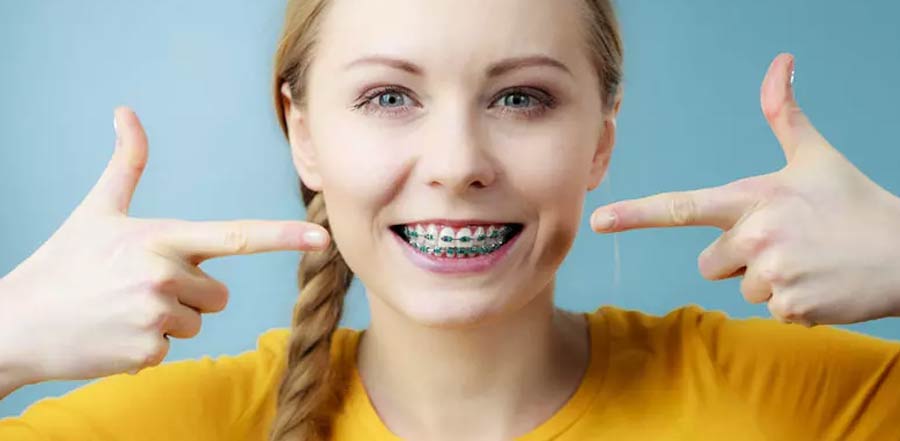
Mail Order Braces! For Real?
Whether you call it lazy or convenient, Americans have been in love with mail-ordering stuff for a long time. It all started back in 1893, with [...]
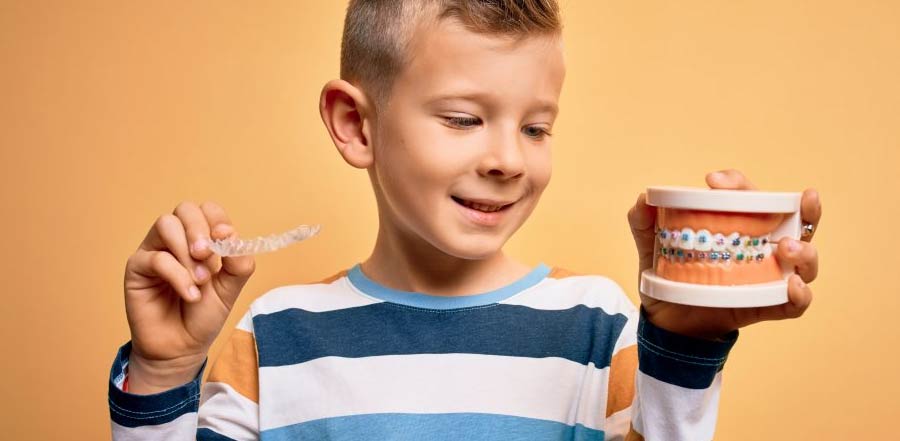
Best For Braces Or Invisalign Treatment In Miami?
I often ask, “Who is the best person to help me fix my teeth? Or, what type of doctor or dentist is the right choice for [...]
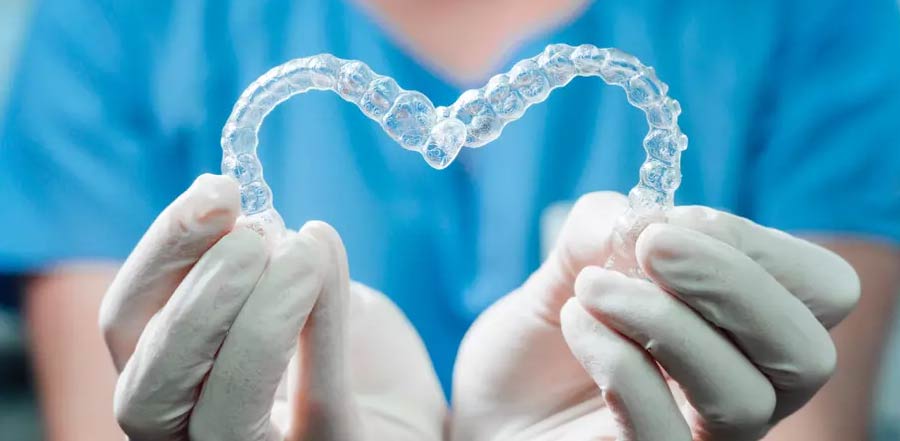
Invisalign Vs. Braces For Adults
Which type of orthodontic treatment should you choose to help you fix your teeth and get the beautiful smile that you have always wanted? We are [...]
Is Your Smile Attractive Or Unattractive?
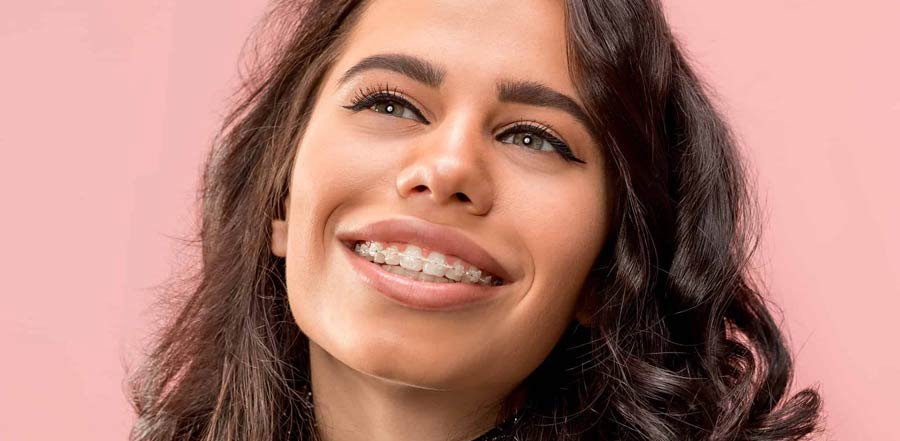
Are you having a hard time with your appearance? Are you looking in the mirror and not liking what you see? Do you think you are not attractive enough? Are you questioning what you can change about yourself? Are you questioning what you can do or change so that people will find you attractive? Some people immediately think about losing weight. There is no need to transform your entire body. Why not just focus on your smile? A beautiful smile can make you feel attractive and therefore boost your confidence. Think about these three points below.
-
Healthy teeth (bad oral hygiene, plaque, discolored or missing teeth)
Good oral hygiene is a basic necessity for your teeth to be attractive. If you are missing teeth or have discolored or plaque-covered teeth, then is obvious that people who look at you will be put off by your appearance and find you unattractive. A study called ‘POWER OF THE SMILE’ showed that people with unattractive smiles were perceived to be less trustworthy and less intelligent than people with healthy, attractive smiles.
-
Crooked teeth (misalignment of teeth)
Not having the proper alignment of your teeth is detrimental to your look (symmetry of your smile) and your ability to properly clean and take care of your teeth. If your teeth are crooked, you do not have proper spacing between teeth, which can cause some of your tooth surfaces to be unreachable by your toothbrush. This can then lead to tooth disease and problems such as bad breath, plaque buildup, cavities, bone loss, gum disease, and even tooth loss!
-
Facial imbalance (teeth not landing properly or midline being off-centered)
The face and body are created with bilateral symmetry. This means that if you were to draw a straight line down the middle of the body from the head, you would have two equal sides. Each side would have one ear, eye, eyebrow, arm, leg, etc. This symmetry is one of the things that our subconscious mind looks for when looking at other people and determining if they are attractive. The face also has its own symmetry, which is divided in the middle of your face by your nose. Your teeth are also subject to the same symmetrical eye test. The mouth is supposed to have 28 permanent teeth (not including wisdom teeth). Your central or “front teeth” are supposed to be in a central position among your teeth and your face. Again, the whole bilateral symmetry concept comes into play with your teeth. Simply put, the middle of your smile should align with the center of your face. If not, you will appear asymmetrical or “odd” to the person looking at you.
As found in the ‘POWER OF THE SMILE’ study, “bad teeth” make one seem untrustworthy, unintelligent, or even unattractive. No one wants to be seen or thought of as unattractive, unintelligent, or even untrustworthy. If you have any of these problems, such as missing, crooked, or discolored teeth, bad breath, etc., you will want to take care of them as soon as possible. It will put you on the right track to feeling better about yourself, and you will have a beautiful smile that will boost your confidence.