
Self-ligating Braces in Dade County
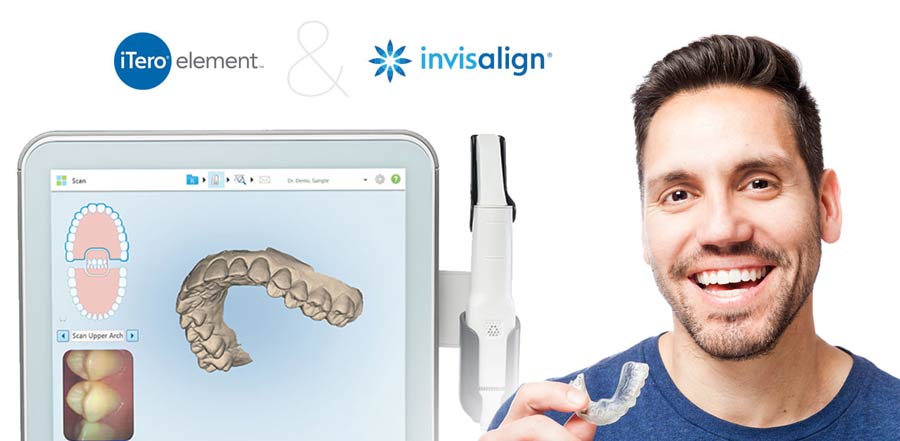
Looking for Self-ligating Braces in Dade County? Lakes-Ortho is a leading provider of orthodontic braces in Dade County. Not only for teens and kids anymore, these days many adults are going the extra mile to get braces, too. In case it is to fix long lasting dental issues like closing off gaps or to enhance façade, you will find a number of developments and improvements in orthodontics dentistry today, naming braces the pick for a lot of people.
Braces most importantly fix curved teeth, and that is what we all think of whenever braces are talked about. By pulling the teeth into the correct place with metal supports attached to the teeth and wires that are made tighter over time, it’s conceivable to bit by bit slide teeth into new and better positions. It will happen slowly – sometimes years – however, the permanent consequences are well worth it. Stereotypically, braces for kids are put in teenagers and minors since their teeth are still shaping, but now you could find braces available for anybody desiring to address dental ansieties by fixing their teeth. Not only do braces help better peoples’ looks, but it can also correct a long list of dental problems that might arise from possessing uneven teeth or a bad bite. Problems such as extreme rotten teeth, premature enamel wear, packed teeth, blockings, and jawline misalignment could all be handled over time using braces.
Where to Get Self-ligating Braces in Dade County?
Orthodontic Braces have a label of being only for children for a few reasons. Long ago, it was believed that it was only conceivable to tweak the placement of teeth and correct dental problems by way of braces even as an individual was younger and their teeth were still growing. A view that has since been proven to be wrong, with the point being that even full-grown teeth will be repositioned and bone growth could last, serving to keep corrected teeth in their more correct position.
In addition, as for how large and unpleasant braces used to be, there weren’t many grown-ups interested in having them. Bearing in mind that a typical older person’s day involves being at work most of the day, and handling many different people in several professional and personal conditions, braces were regularly believed to be awkward for who wears it, with many wishing to just keep their teeth the way they were. Still, not only has it been established that it is completely doable to fix mature teeth, the health benefits gotten from fixing dental issues could make it worthwhile at any age. It may take longer for mature teeth to ease into their new positions requiring more mature people to wear their dental braces for more time than younger people, but the benefits still overshadow the downsides.
This is expressly so since the great, new braces obtainable now that you can wear in ease, for instance Metal Braces, Ceramic Braces, Lingual Braces, and Self-Ligating Braces; also snap-in retainers which must be in place specific times of the day and left off others. There are many new braces offered for patients of any age to get their teeth corrected, bestowing on them more than a lovely smile and the health assurances that go with neet teeth and a right bite. For additional information about the orthodontic services in Dade County offered by Lakes-Ortho, please check out at our Invisalign blog.
Trending Blog Post About Self-ligating Braces in Dade County
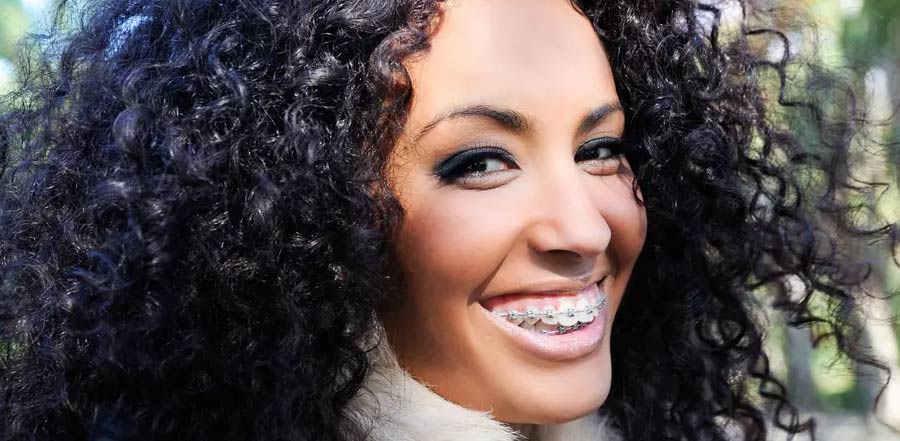
Orthodontists Are The Best Choice For Invisalign!
Have you ever wondered what type of dentist you should see if you or your child needs braces or Invisalign? Millions of people around the world [...]
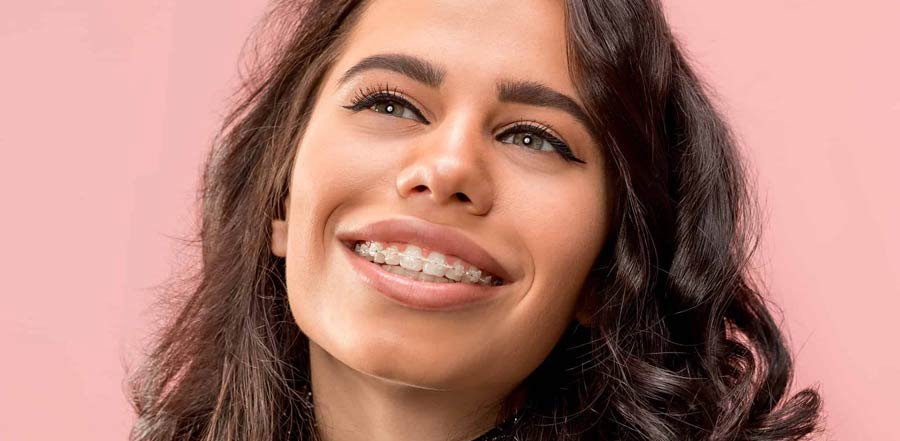
Pros and Cons with Invisalign
Miami Invisalign Orthodontist Dr. Carmen Crespi explains the pros and cons of Invisalign. If you follow us, you have probably heard us discuss or possibly even [...]
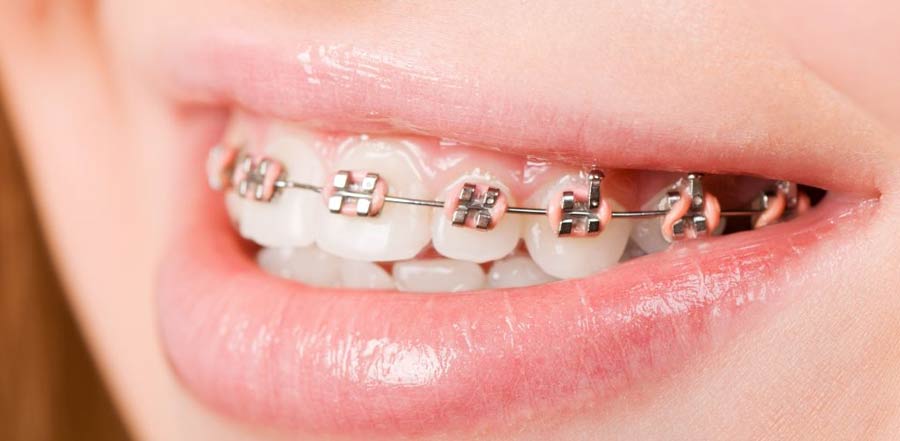
Orthodontics Insurance Coverage
Will my insurance cover the cost of my braces or Invisalign? Insurance can be a very overwhelming subject for most people to understand. After all, so [...]
What To Know Before Getting Invisalign
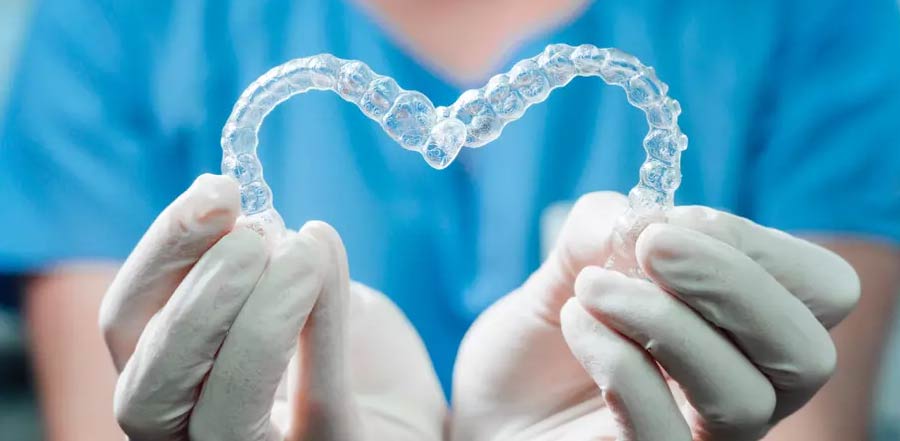
When preparing to get Invisalign, there are definitely certain things of which you should be aware beforehand. First of all, there are small attachments that you might need placed on the surface of your teeth in order to achieve your desired smile. In cases where extra strength Is necessary to move your teeth, you may need one or two attachments. Attachments are small enamel colored ridges on your teeth that allow the aligner to click in place. This will help the aligners move your teeth more effectively especially when teeth need to move vertically for proper alignment.
Another thing to keep in mind is that you must wear the aligners 20-22 hours out of the day. This means that all of your eating and drinking for the day must occur within that 2-4-hour period. You will have to get used to carrying around an aligner case with you at all times so that you can safely store your aligners when eating or brushing. You will also have to brush your teeth before putting the aligners back in your mouth or at the very least you should chew a piece of sugar-free gum and rinse with fresh water.
The short amount of time you have to eat each day may cause you to lose weight. This is because removing your aligners to eat snacks throughout the day will seem like too much of a bother. You will most likely limit the time you spend eating which will decrease how much food you actually consume. If you do not want to lose weight, pack your meals with calories and protein or be prepared for more frequent cleaning of your teeth. If you do, however, then take advantage.
Lipsticks, lip liners and lip glosses must be applied more carefully when wearing aligners. The color almost inevitably sticks to aligners and attachments. This will leave a waxy film on the aligners. Lip gloss and lip balm will not affect the aligners quite as bad but will still leave a film. Having lipstick on the aligners will stain them, which will make them more noticeable. You might also want to be extra careful when removing your aligners when it comes to nail polish as you may possibly scratch your nails if done incorrectly.
Brushing your teeth will happen a lot more than usual. You will have to be extra diligent about removing food particles and plaque so that they do not collect underneath your aligners. In addition to the normally scheduled brushing of your teeth (when you wake up and before bed), you will also want to clean your teeth after each meal/snack/drink to make sure that you are not leaving food or drink particles under your aligners. Flossing is also vital to oral hygiene, especially with aligners in the equation. Stains happen easily, so you have to be extra careful when drinking colored liquids. You should not drink anything besides water when the aligners are in your mouth. If you do not brush your teeth well after drinking coffee or soda, the aligners can become tinted or less clear. The good side to this is that your aligners will be changed every 10-14 days so if you do accidentally stain an aligner you will not have to wear it for a very long time.
If you are interested in getting Invisalign, please contact us for more information about how Miami Lakes Orthodontics can help you.