Self-ligating Braces in Dade County2022-08-11T13:57:34+00:00

Self-ligating Braces in Dade County
Best Orthodontist Miami Lakes for Braces and Invisalign

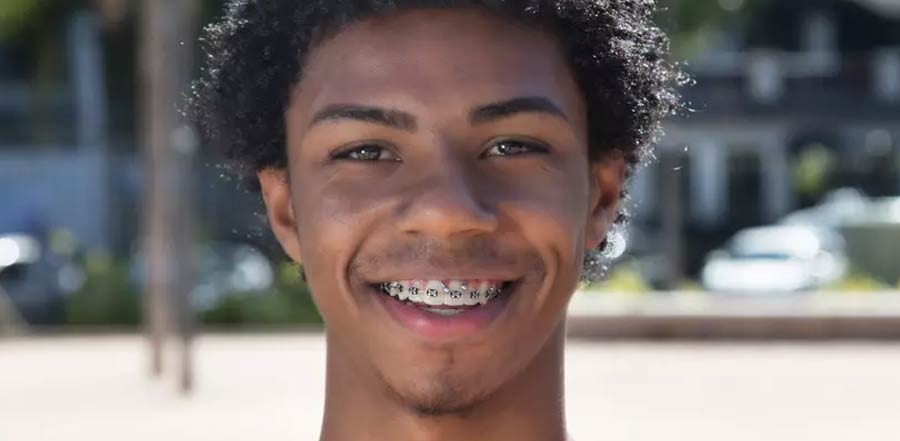
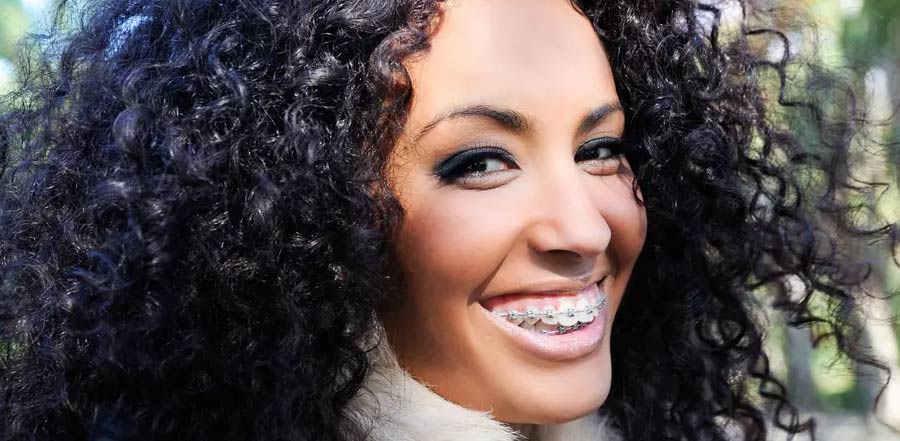
Looking for Self-ligating Braces in Dade County? Lakes-Ortho is a leading provider of orthodontic braces in Dade County. Not only for teens and kids anymore, these days many adults are going the extra mile to get braces, too. In case it is to fix long lasting dental issues like closing off gaps or to enhance façade, you will find a number of developments and improvements in orthodontics dentistry today, naming braces the pick for a lot of people.

Braces most importantly fix curved teeth, and that is what we all think of whenever braces are talked about. By pulling the teeth into the correct place with metal supports attached to the teeth and wires that are made tighter over time, it’s conceivable to bit by bit slide teeth into new and better positions. It will happen slowly – sometimes years – however, the permanent consequences are well worth it. Stereotypically, braces for kids are put in teenagers and minors since their teeth are still shaping, but now you could find braces available for anybody desiring to address dental ansieties by fixing their teeth. Not only do braces help better peoples’ looks, but it can also correct a long list of dental problems that might arise from possessing uneven teeth or a bad bite. Problems such as extreme rotten teeth, premature enamel wear, packed teeth, blockings, and jawline misalignment could all be handled over time using braces.

Where to Get Self-ligating Braces in Dade County?

Orthodontic Braces have a label of being only for children for a few reasons. Long ago, it was believed that it was only conceivable to tweak the placement of teeth and correct dental problems by way of braces even as an individual was younger and their teeth were still growing. A view that has since been proven to be wrong, with the point being that even full-grown teeth will be repositioned and bone growth could last, serving to keep corrected teeth in their more correct position.

In addition, as for how large and unpleasant braces used to be, there weren’t many grown-ups interested in having them. Bearing in mind that a typical older person’s day involves being at work most of the day, and handling many different people in several professional and personal conditions, braces were regularly believed to be awkward for who wears it, with many wishing to just keep their teeth the way they were. Still, not only has it been established that it is completely doable to fix mature teeth, the health benefits gotten from fixing dental issues could make it worthwhile at any age. It may take longer for mature teeth to ease into their new positions requiring more mature people to wear their dental braces for more time than younger people, but the benefits still overshadow the downsides.

This is expressly so since the great, new braces obtainable now that you can wear in ease, for instance Metal Braces, Ceramic Braces, Lingual Braces, and Self-Ligating Braces; also snap-in retainers which must be in place specific times of the day and left off others. There are many new braces offered for patients of any age to get their teeth corrected, bestowing on them more than a lovely smile and the health assurances that go with neet teeth and a right bite. For additional information about the orthodontic services in Dade County offered by Lakes-Ortho, please check out at our Invisalign blog.

Trending Blog Post About Self-ligating Braces in Dade County
Looking For Braces In South Florida?

Well, you are lucky because Miami Lakes is the hometown of South Florida’s premier orthodontic specialist, Dr. Carmen Briceño Crespi.  Her practice, Lakes Orthodontics, is dedicated [...]

8-Year Old Sings Songs of Joy with Her New Smile

Orthodontic Services in Hialeah, Florida

Early orthodontic treatment is critical for some children so they can grow up with a healthy smile. If a parent or guardian waits too long for their child to be seen by a dental specialist, it can lead to many problems. However, finding a solution sooner than later can avoid speech impediments, eating challenges, and dental anxiety from potentially preventable events like having baby teeth extracted too early. An example of this scenario would be the case of Rebecca, or as she likes to be called, Becky, who is an 8-year-old referred to our office by Nicklaus Children’s Hospital. I knew this church choir-singing girl would be special when I met her.

Becky Presented Many Orthodontic Problems

Becky’s mother, like most parents, wanted her daughter to smile and be happy. She wanted her daughter to have a better smile for several cosmetic and health-related reasons. Still, the most important one was improving her daughter’s self-esteem in daily life and on stage as a performer. Becky came from a family of singers blessed with exceptional vocal abilities; however, her problem was that Becky refused to smile on stage. Mom was a singer and on-stage performer herself. She knew the importance of developing self-assurance and confidence on stage, as it would reflect in other aspects of her young daughter’s life. Becky’s problems weren’t just her stage presence. She was having significant functional issues. Becky was limited in what she could eat because her teeth didn’t touch the front at all, limiting her food intake significantly. To make matters worse, she had lost some primary teeth earlier on in her life due to cavities. With no back teeth to chew with, Becky had challenges breaking down food. Becky’s functional problems are apparent in these pictures. You see a few teeth that touch on one side. However, on the other side, she’s missing some of the baby teeth. As part of her interceptive treatment, we would need to deal with the repercussions of space loss. Other teeth moved into that space because of the lack of baby teeth. Becky’s speech was also affected by problems with her teeth. She was in speech therapy for a lisp at a very early age because her front teeth didn’t touch. Becky had what we call an “open bite.” Her front teeth didn’t come together, making it difficult for her to pronounce the ‘s’ sound or make any sounds that required her teeth to touch. Becky would compensate by using her lips or tongue, affecting her ability to make certain sounds. Her difficulties in speaking made her even more self-conscious, further damaging her self-esteem.

Becky also had an awkward smile due to skeletal issues – problems with positioning her jaw. Becky’s Mom once asked her, “I don’t understand. Why don’t you smile?” And Becky replied, “Because I don’t like my teeth. They’re ugly.” Becky’s self-esteem was as low as it could be. Her dental problems caused her to be shy, reserved, and introverted. Becky’s teeth were trapping her in her little protective shell. Although some dental issues are avoidable, others are inherited. Becky had a stronger bottom jaw, which was genetic. She was predisposed based on her family history. Becky’s Mom also had an open bite and suffered from a milder form of having a strong bottom jaw. We eventually treated Mom, but because she was already an adult, she needed surgery too. With Becky, we were trying to avoid surgery as an adult – like her Mom had to go through. As an adult, Becky’s mouth would stop growing, and there would be no way to guide the growth of the jaws to correct the problem. Mom didn’t want her daughter to go through any more pain than what she had already experienced. She just wanted her daughter to smile and be happy with how her teeth looked and felt good and see herself as beautiful – something every young girl deserves. No family should have to go through all of these problems if it can be avoided.

A Mother’s Pain, An Orthodontist’s Purpose

Becky’s situation was the perfect example of why early interceptive treatment is essential for children. Becky presented with a few problems, some of which were dental. Other challenges were her skeletal structure and a few bad habits. Since Becky was seeing me early enough, I knew I could devise a plan to help her achieve a fully developed smile. I’m an attending faculty member at Doral’s Nicklaus Children’s, and I run the orthodontic curriculum at Nicklaus Children’s Hospital. Because of my expertise in handling severe cases, Becky’s case was sent directly to my private office. I’ve built a team of dental and medical specialists who handle these types of severe cases at least once a month. Although severe cases like this aren’t something we see daily, we are experienced in treating kids with problems similar to Becky’s. We knew Becky had already entered the operating room to get her baby teeth out due to the infections and various cavities. We expected Becky to have severe dental anxiety. However, our experience prepares us for anxious, timid, and potentially reluctant children.

The Treatment Plan

The hardest cases to treat in Orthodontics are “High Angle Open Bite Class III Cases.” Class III is the medical term for somebody with problems with teeth and bone that sometimes can’t be controlled. Becky had a combination of these problems. The plan was to address all the things that Becky had going on. Because her bottom jaw was stronger than the top, I had to delay the lower jaw’s growth and promote the top jaw’s growth. First, we needed to put an expander on the top to create more space because of those teeth that were lost early. The expander we placed would also help deal with Becky’s thumb habit because it doesn’t allow for suction between the thumb and the roof of the mouth. With no suction, endorphins don’t get released, and children eventually stop sucking their thumbs. Next, we planned for some braces on the top and a face mask that we’d use to correct Becky’s skeletal growth. This plan would create the differential growth needed between the top and the bottom so we could get the top teeth to come forward and the bottom teeth to come back. The shift would compensate for the significant size difference between her jaws. Becky’s Mom’s main concern was whether her daughter could tolerate the treatment because of her previous dental anxiety. There was also an issue with making it to appointments because Becky’s family lived in Homestead, which is about an hour away from our office. The logistics of seeing me every four to six weeks during the treatment could have been an issue. But Becky’s Mom had done her research, and everyone recommended me because they knew I regularly dealt with cases like this. Many South Florida pediatric dentists know that I would ensure that the best orthodontic treatment would happen for Becky.

A Scary Start

Becky was petrified when she first walked into our office at Miami Lakes Orthodontist. The first appointment is critical because it’s when molds (dental impressions) get made for the expanders and braces are put on. It was a lot for Becky, and she cried. Her Mom was extremely concerned – dentally and mentally, Becky had been through a lot. Her first appointment was the most challenging because we needed to get Becky to trust us and trust me. In a case like Becky’s, I like to maintain the same assistance with me so that that way, the child is not only comfortable with me but also with the person who’s helping me.

Successful Execution

Dr. Carmen Crespi – The beginning step was to get the thumb out of the way. Without the thumb out of the way, no amount of braces or expanders will work because the culprit of the problem would remain. Becky had an expander initially, and then she had a thumb habit appliance after the expander to address the thumb habit. Becky worked with the same assistant throughout her full 13-month treatment and me. By the second and third visits, Becky realized we weren’t going to do anything here that was painful, and we gained her trust. I also attribute this to the fact that we explain everything before we do it and show her what we will do. This is a method called the tell-show-do method – we told her what we were going to do, we showed her what we were going to do, and then we did it. This way, Becky didn’t fear not knowing what was coming. As long as we communicated, she was comfortable. Within the first three months, the change that had occurred was drastic. Expanding the top requires two to three weeks to do because you’re moving the bones. Once we put the braces on, within the first three months, we began to see changes in the teeth in how they move and come into place as planned.

More links Related to Self-ligating Braces in Dade County