Invisible Braces in South Florida
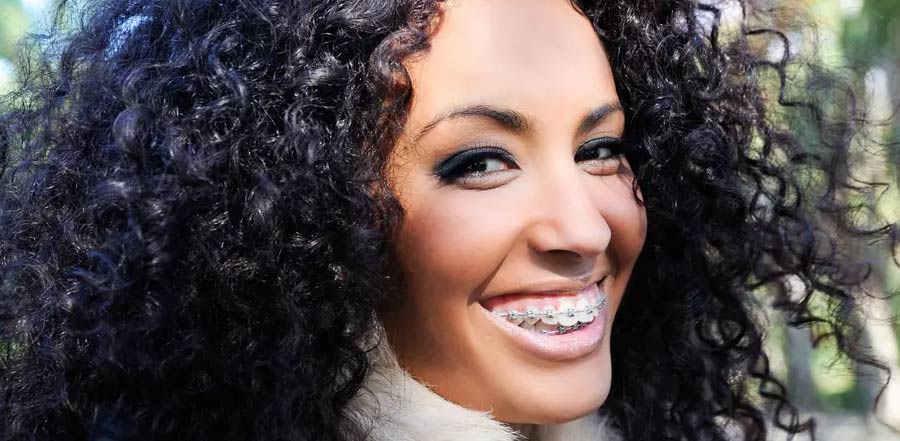
In search of Invisible Braces in South Florida? Dr. Crespi of Lakes Ortho is a leading provider of metal and clear aligners in South Florida. Not only for teens and kids anymore, these days many grown-ups are going the extra step to get braces, too. In case it is to improve long lasting dental issues such as occlusions or to improve appearance, there are various developments and improvements in orthodontics dentistry today, making braces the pick for a lot of people.
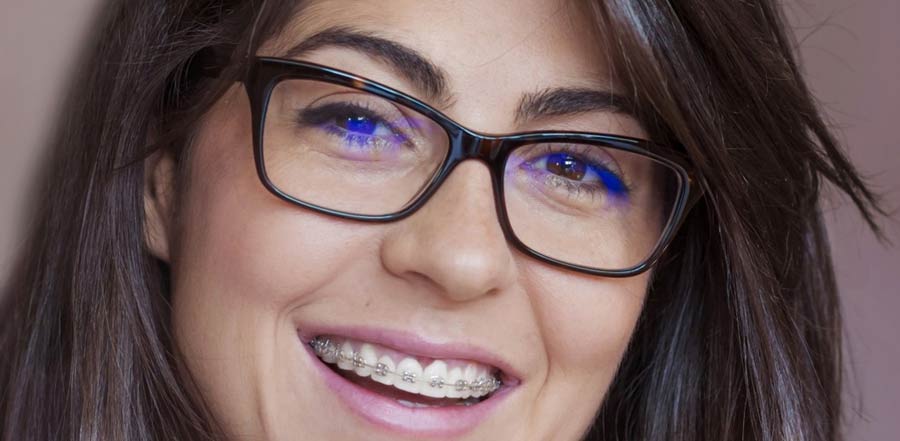
Braces primarily correct crooked teeth, and that is what we think of when braces are brought up. By setting the teeth into a correct position using metal supports attached to the teeth and wires that are tightened up over a period of time, it’s possible to step by step maneuver teeth into new and more normal positions. This does happen slowly – often years – however, the long lasting consequences are well worth it. Stereotypically, braces for kids are applied to teens and adolescences as their teeth are still forming, but with advancements you can get braces to be had by anybody wishing to deal with dental worries by realigning their teeth. Braces can do more than help fix peoples’ appearance, but they also alter a long list of dental issues that might arise from having crooked teeth or a bad bite. Problems such as excessive tooth decay, premature enamel wear, crowded teeth, blockings, and jawline misalignment can all be talked about over time using braces.
Where to Get Invisible Braces in South Florida?
Braces have a stereotype of being just for kids for a few reasons. Many years ago, it was believed that it was only conceivable to improve the position of teeth or correct dental issues using braces as an individual was younger and their teeth were still growing. A view that has ever since been established as wrong, with the point being that even full-grown teeth will be shifted and bone growth could last, serving to keep corrected teeth in their more accurate spot.
What’s more, as for how large and ugly braces used to be, there wasn’t a lot of grown-ups interested in having them. Seeing as a standard grown person’s day comprises of working much of the day, also dealing with various people in a number of professional and personal conditions, braces were frequently judged to be painful for the wearer, with many deciding to basically leave their teeth the way they were. Still, not only has it been established that it is absolutely viable to fix adult teeth, the health advantages derived from fixing dental problems could make it worthwhile at any age. It may take more time for adult teeth to slide into their new locations needing older people to wear their braces longer than younger people, but the advantages will continue to be more important than the disadvantages.
It is expressly so considering the great, new braces existing now that you can wear easily, such as Clear Braces, Metal Braces, Lingual Braces, and Self-Ligating Braces; and snap-in retainers that will need to be in place specific times of the day and removed others. There are many new braces obtainable for people of any age to get their teeth corrected, giving them more than a lovely smile but also the health assurances that go with straight teeth and a right bite. If you would like additional info about the orthodontic services in South Florida offered by Lakes Orthodonitcs visit at our blog.
Trending Blog Post About Invisible Braces in South Florida
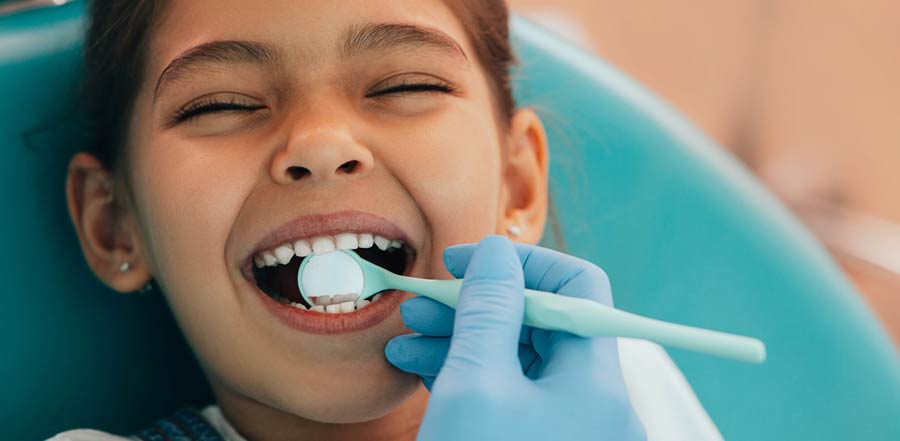
Your Child’s First Orthodontic Checkup
The American Dental Association recommends that all children see the dentist for their first dental exam by their first birthday. A regular cleaning every six months [...]
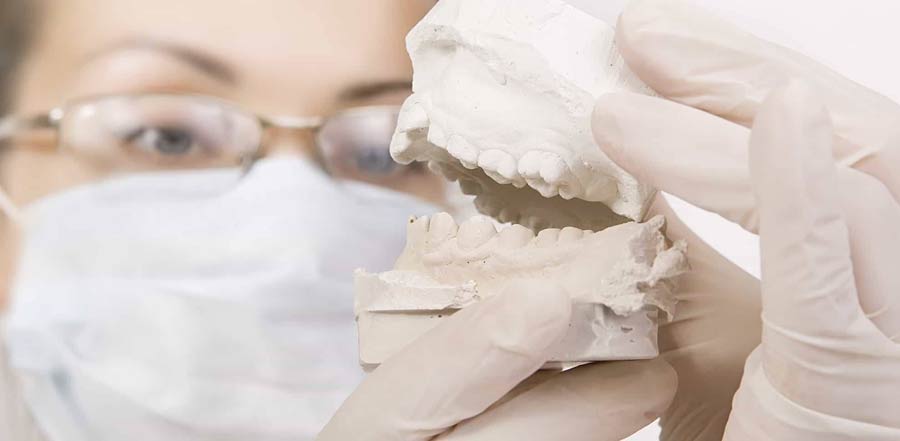
The Truth Behind Lingual Braces
With all of the technological advances in orthodontics, patients have more treatment options today than ever. Nowadays, if you want to straighten your teeth, you can [...]
Orthodontic Horror Stories!
How you should choose your orthodontist for your Invisalign or braces treatment to avoid being a victim. I have had thousands of people come to my [...]
Invisalign Vs. Braces For Adults

Which type of orthodontic treatment should you choose to help you fix your teeth and get the beautiful smile that you have always wanted?
We are seeing more and more adults that are choosing to fix their smiles with orthodontic treatment. In fact, according to the AAO (American Association of Orthodontics), there are more adults in orthodontic treatment today than ever before (about 1.5 million in America alone). There are several reasons for the increase in adults having orthodontic treatment, including advances in technology, which have created new treatment options that are faster, more comfortable, and less noticeable than ever before.
Clear aligner technology has had a significant impact in the adult orthodontic marketplace as companies such as Invisalign have created alternate methods of fixing your smile without the use of traditional fixed braces. Invisalign is now one of the most popular forms of orthodontic treatment and has pioneered clear aligner technology and 3-D scanning technology, which are both responsible for many of the advancements in orthodontics. This is a huge factor in getting adults to commit to orthodontic treatment as, according to the AAO one of the most significant reasons that adults considering orthodontic treatment were hesitant to fix their teeth had to do with being self-conscious about the way they would look with braces.
With so many treatment options for adults to choose from to fix their teeth, we now have a question that is asked every day in every orthodontic office across the world, “Braces or Invisalign? Which one should I choose?” Here is a short list of reasons to choose either braces or Invisalign to help you decide for yourself:
Pro’s for braces:
- Less work day to day for the patient. Braces are fixed on your teeth so once the orthodontist places them on your teeth you are not having to worry about wearing the braces and getting your desired result. Invisalign, on the other hand, needs to be taken off to eat and brush, which means you can forget to put them back on your teeth. The #1 problem that patients have with Invisalign is compliance. Adults often forget to wear the aligners, which will delay treatment and results.
- Braces tend to be less expensive than Invisalign. This can definitely change from office to office as prices are not fixed, but overall this seems to be accurate as Invisalign is, on average, $500 more expensive.
- Braces can correct more issues than Invisalign. This is 100% correct because braces have been proven superior to braces in many complex orthodontic cases. There are several bite issues that cannot be made by Invisalign or would be extremely difficult to fix using Invisalign.
Pro’s for Invisalign:
- Less noticeable than braces: In my opinion, this is the #1 reason to choose Invisalign. The Invisalign plastic is very hard to notice unless you are extremely close to the patient’s mouth.
- Invisalign will not affect what you eat or how you brush your teeth.
- No emergencies: Braces can separate from teeth, or the wires can break, which causes additional appointments to fix broken appliances. Invisalign has little to no emergencies but remember that you can lose your aligners, which can also create additional appointments and slow down treatment.
Regardless if you choose braces or Invisalign to fix your smile, you should feel confident that you are making a wise investment in yourself by seeking orthodontic treatment. The AAO reported that 75% of all adult patients reported that after finishing treatment, they had improvements in their career and/or their personal relationships. 92% of adults also said that they would recommend orthodontic treatment to others.