
Orthodontic Braces in Miami-Dade

In search of Orthodontic Braces in Miami-Dade? Dr. Carmen of Lakes Orthodontics is a leading provider of metal and clear aligners in Miami-Dade. Not only for teens and kids anymore, these days many adults have been taking the extra mile to get braces, too. If it’s to mend very old dental problems like closing off gaps or to enhance look, you will find many developments and improvements in orthodontics dentistry now, deeming braces the pick for plenty people.
Braces mostly correct crooked teeth, and it is what we all visualize when braces are mentioned. By setting the teeth into more correct position by way of brackets fastened to the teeth along with wires that get tightened over a period of time, it’s likely to gradually slide teeth in to new and more normal positions. This does happen slowly – sometimes years – but, the lasting results might be well worth it. Stereotypically, braces for children are applied to teens and minors while their teeth are still shaping, but with advancements you can get braces to be had by people wanting to address dental worries by straightening their teeth. Not only do braces help better a person’s looks, but they also adjust more dental worries that could come from having uneven teeth or a bad bite. Problems such as extreme tooth decay, premature enamel erosion, packed teeth, blockings, and jawbone misalignment can all be handled over time using braces.
Where to Get Orthodontic Braces in Miami-Dade?
Orthodontic Braces carry a stereotype of being only for children for a few reasons. Long ago, it was thought that it was only conceivable to improve the placement of teeth and fix dental problems through braces as an individual was not as old and their was still in the growing stage. This has from then been comfirmed as untrue, with the point being that even mature teeth will be shifted and bone growth can continue, serving to keep adjusted teeth in their more correct place.
What’s more, because of how bulky and horrid braces used to be, there weren’t lots of grownups interested in wearing them. As a typical grown person’s day comprises of being at work much of the day, as well as dealing with various people in a variety of professional and personal conditions, braces were frequently deemed painful for who wears it, with many choosing to just leave their teeth as they were. Still, not only has it been found that it is absolutely doable to fix mature teeth, the health benefits gotten from adjusting dental problems could make it advisable at any age. It can take longer for mature teeth to be edged into their new locations requiring older people to keep on their dental braces longer than younger patients, but the advantages will continue to dwarf the downsides.
It is expressly that way seeing as the great, new braces accessable today that people can wear comfortably, for instance Clear Braces, Metal Braces, Lingual Braces, and Self-Ligating Braces; also snap-in retainers that could be in place certain times of the day and left off others. There are many new braces on hand for patients of all age to have their teeth realigned, providing them more than a beautiful smile but also the health benefits that go with straight teeth and a correct bite. If you would like additional information in regards to the orthodontic services in Miami-Dade offered by Dr. Carmen Briceño Crespi of Miami Lakes Orthodonitcs, please check out at our clear braces blog.
Top Blog Post About Orthodontic Braces in Miami-Dade
Best For Braces Or Invisalign Treatment In Miami?
I often ask, “Who is the best person to help me fix my teeth? Or, what type of doctor or dentist is the right choice for [...]
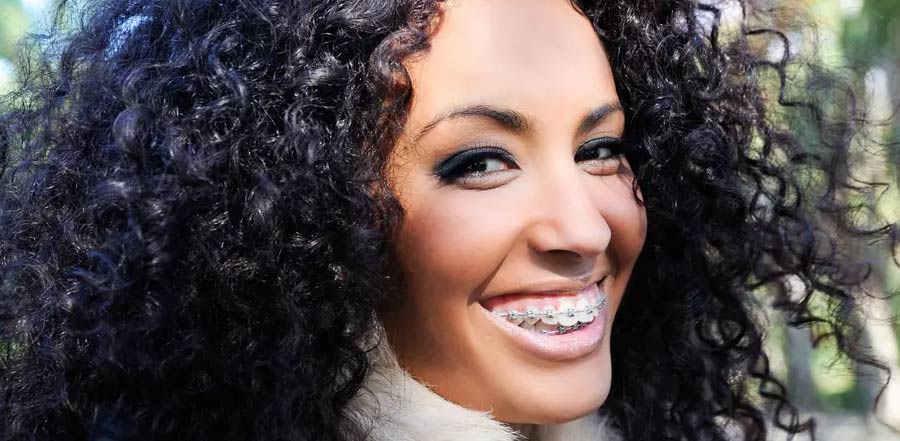
Orthodontists Are The Best Choice For Invisalign!
Have you ever wondered what type of dentist you should see if you or your child needs braces or Invisalign? Millions of people around the world [...]

How Do Braces Get Placed On My Teeth?
Do braces hurt to put on my teeth? This topic may seem a bit elementary to many at first glance, but I get these questions all [...]
Benefits of Invisalign Over Braces
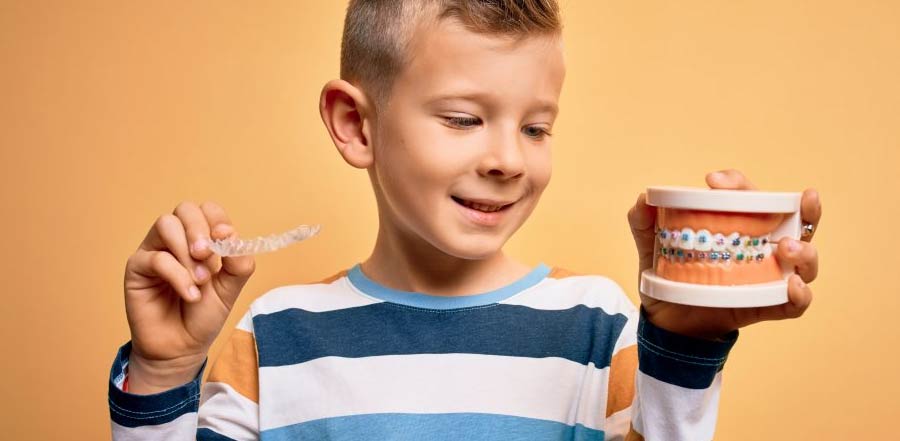
Invisalign utilizes the latest orthodontic technology to straighten teeth in a comfortable and invisible fashion. With Invisalign, you are able to achieve a beautiful smile without any painful wires and brackets. Invisalign uses clear aligners in a series, each working step by step to straighten your teeth. You are instructed to move on to the next aligner at 1 to 2-week intervals. During this time, your teeth will shift to their desired position and then you move on to the next aligner.
Aligners are more comfortable than your average braces. There is no metal to pinch and press against your cheeks and lips. We use gentle, BPA free plastic that does not rub sores on the inside of your mouth like regular metal braces do. Because the aligners are removable, there are no diet restrictions when it comes to Invisalign. You can drink soda, coffee, chew gum, and even eat popcorn—all as long as you brush your teeth before putting your aligners in again.
Because Invisalign is crafted from clear plastic, it is practically invisible. People will not be able to notice the Invisalign unless you inform them and they examine your mouth closely.
Invisalign cost varies from case to case just like regular braces. Some people may need a larger or smaller number of trays, depending on how crooked their teeth are. As an approximate price, Invisalign 5 is about $3,000 dollars. Invisalign 14 is about $5,000 dollars. Invisalign FULL is about $6,800 dollars. After you finish treatment, your retainer will likely cost around $600 dollars, but may often times be included as part of your treatment.
Many people put off straightening their teeth just because they think that the gaps and crooked teeth are more appealing than wires and metal brackets. It is a shame that these people are not able to be proud of their smile, all because they do not know what other options are available to them. Invisalign is a modern tooth straightening system that allows teenagers, adults, and anyone insecure about wearing braces to straighten their teeth without feeling self-conscious; this is not the only benefit to Invisalign over traditional braces, however.
For starters, your normal day-to-day lifestyle is not affected by Invisalign as it is with traditional braces. Because you are required to remove the aligners while eating and drinking, there are no diet restrictions with Invisalign. You are required to wear your aligners at least 20-22 hours each day, however. This will restrict the time you are able to eat. Most people eliminate snacking to save time, which has actually proved as an effective weight loss plan.
The amount of time it takes to fix your teeth can also be faster with Invisalign-vs-traditional braces as the treatment time for traditional braces is usually closer to two years or more. Invisalign treatment rarely exceeds 18 months.
Invisalign is more comfortable than metal wires and brackets. With Invisalign, you never have to worry about applying wax that never stays. No numbing medication is necessary with this product, as the aligners are not likely to rub against your mouth the way braces do.
You are not required to visit your local orthodontist as often when using Invisalign. While braces require you to visit once a month, Invisalign only requires you to visit once every 6 weeks.
If you are interested in fixing your teeth with Invisalign, please contact us for more information.