
Miami Lakes Pediatric Orthodontist Specialist in Orthodontics for Children
Even if a child is starting to show signs that they will need braces at an early age, our experience and national consensus agree that a child’s first orthodontic check-up should occur around the age of seven. The fact is that most kids will not need orthodontic treatment at such an early age if any at all. Still, it is an excellent idea to have a check-up with a Miami orthodontic specialist to find out if there are any areas of concern for your child’s teeth, jaw, bite, etc.
Soon after your child has moved from primary (“baby”) teeth into adult teeth, he or she may start to show signs. Several orthodontic issues can and should be addressed at an early age, such as:
- Underbites, overbites, cross bites, narrow jaw formation, thumb sucking, over jetting of teeth, etc.
- Some signs that your child may need orthodontic treatment would be problems with speech, misaligned jaw growth,
- At Lakes Orthodontics, we are quite experiencing in dealing with and addressing the needs of kids in need of braces.
We encourage parents to visit us for a free consultation around the age of seven. It is around this age that gaps and misaligned become more obvious. This is because as kids lose their baby teeth, there is often not enough space for larger permanent ones to take their space. It is also around this time when braces are the most effective.
So, whether it appears or you think that your child needs pediatric orthodontic treatment, the easiest way to find out is to make a free no, obligation consultation with the award-winning, board-certified Miami Lakes children’s orthodontist Dr. Carmen Briceño Crespi. Give us a call at (305) 820-6800 or fill out the form below, and one of our smile specialists will contact you as indicated.
Here’s More Info Related to Orthodontics for Children in Miami Lakes
Can You Prevent Your Child Needing Braces?

Children entering their early teen years often need braces to correct crooked teeth and other alignment issues. However, this doesn’t mean that braces are a rite of passage that everyone wants to go through.
The discomfort, cost, and self-consciousness that can come with traditional braces can be quite the deterrent. So, is there anything you can do to prevent your child from needing them? Depending on your child’s needs, some options and preventative measures could help them steer clear of metal braces. Read on to find out what they are.
Dental visits from early on can prevent braces.
Your child’s baby teeth will start to descend around the age of seven years old. This means that they will either start to fall out or shift in preparation for the adult teeth that will break through the gum line in the future. At this age, they must regularly see the dentist every six months to monitor their oral progress.
If your child will need future alignment correction for an overbite, underbite, misaligned teeth, or teeth with large spaces between them, it is best to find out as early as possible. If an issue is identified, it doesn’t mean your child will need braces immediately. In fact, it is very rare for braces to be put on a child this young. However, some steps can be taken as early as seven years old to fix alignment issues that may arise in the future.
For example, if your dentist can see that your child’s adult teeth will need more room to grow to prevent teeth from crowding or breaking through the gum line where they shouldn’t, they may recommend that a baby tooth be removed to give the permanent teeth the space they need. Alternatively, leaving baby teeth in place can also prevent future adult teeth from drifting into gaps that they shouldn’t. Taking preventative measures like this means that future braces can be avoided.
Each situation is specific and requires the expertise of a dental professional to determine the best course of action. Making sure your dentist knows your concerns and preference for avoiding braces will help them give you the best advice for your situation.
Straightening teeth without braces
Invisalign for teens Sometimes braces are not the best choice for you and your child, depending on the situation and your concerns. There are now teeth straightening options in addition to traditional metal braces that can help correct alignment issues. The Invisalign straightening system has proven to be very popular as it replaces metal wires with transparent plastic trays that gently push teeth into place over time. The teeth straightening trays are practically invisible, eliminating any concerns about braces’ cosmetic appearance. Invisalign also allows your child to eat, drink, and clean their teeth as normal since the straightening trays are easily removable.
If braces are unavoidable, why not upgrade them?
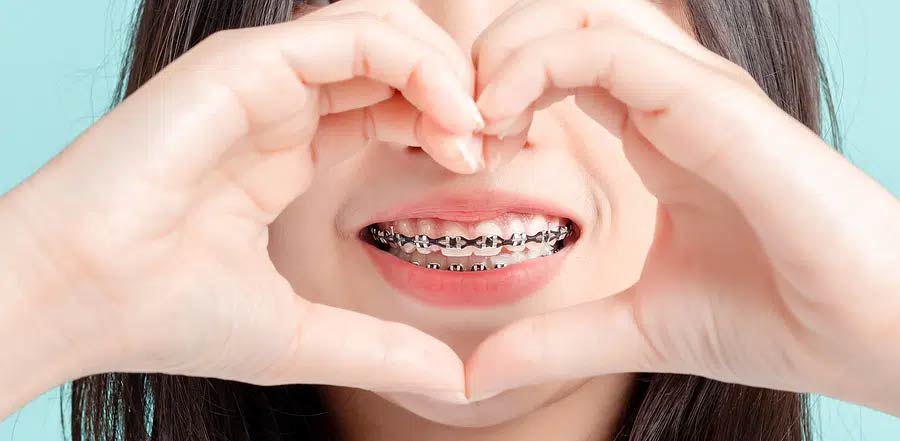
If your child does need traditional metal braces, some options can make them more appealing. No longer do braces come in just plain metal. An array of fun colors can be incorporated into the braces, which your child can pick to suit their personality. These colors can be changed every time they visit the dentist, making the experience much more pleasant. Studies show that over 75% of children who wear metal braces choose to have their favorite colors incorporated into them.
Lingual braces are another great alternative to traditional braces as they are placed behind the teeth. This means that they look and operate like traditional braces but are not visible. However, this type of alignment appliance can be higher in cost, so knowing what is most important to you when making decisions about your child’s oral health will determine the road you will take.
Finding an orthodontist who’s right for you
I’m an award-winning, board-certified orthodontist in Miami Lakes, offering expert orthodontic treatments like Invisalign, and braces, also known as tooth alignment for children, teens, and adults throughout Miami-Dade and Broward County.